How Can a Dentist Help Treat Sleep Apnea?
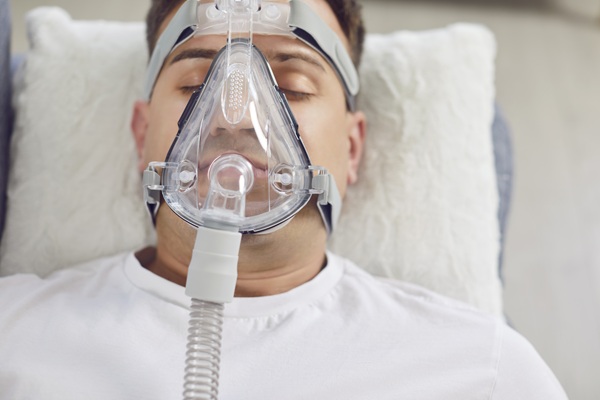
Sleep apnea can affect breathing, energy levels, and overall health, and a dentist may play an important role in supporting treatment. While a physician or sleep specialist provides the diagnosis, a general dentist can identify possible signs during routine exams and provide oral appliance therapy when appropriate. This collaborative approach helps patients receive care that supports both better sleep and better oral health.
Understanding obstructive sleep apnea
According to the Mayo Clinic, obstructive sleep apnea is the most common sleep disorder and occurs when the muscles and soft tissues in the throat relax during sleep, blocking normal airflow. The body reacts by briefly waking up enough to restore breathing, even though the person may not remember these interruptions in the morning. This cycle can happen many times throughout the night and may leave patients feeling tired, unfocused, or irritable during the day.
Recognizing these patterns early and seeking professional guidance can be the first step toward regaining the energy and vitality that restorative sleep provides. Common signs may include loud snoring, gasping during sleep, morning headaches, dry mouth, or frequent daytime fatigue. Some patients also experience trouble concentrating or feel sleepy during quiet activities. These symptoms do not always confirm sleep apnea, but they can signal the need for a medical evaluation by a physician or sleep specialist.
How a dentist can identify warning signs
It is important to note that a dentist cannot diagnose sleep apnea, but routine dental visits can reveal signs that may point to a sleep-related breathing concern. During an exam, the dentist may notice worn teeth from clenching or grinding, a scalloped tongue, chronic dry mouth, or changes in the shape of the airway. These findings can have several causes, so the dentist may ask questions about snoring, sleep habits, and daytime fatigue.
The dentist may also review the condition of the gums, jaw joints, and bite. Ongoing nighttime grinding or tension can place added stress on the teeth and jaw. When these signs appear alongside sleep concerns, the dentist may recommend a visit with a physician or sleep specialist for further testing.
The role of oral appliance therapy for treating sleep apnea
After a physician diagnoses obstructive sleep apnea, our dentist may provide a custom oral appliance as part of the treatment plan. This appliance fits over the upper and lower teeth and gently moves the lower jaw slightly forward during sleep. That position can help keep the airway more open and reduce the chance of soft tissues blocking airflow.
Oral appliances often resemble small mouthguards or orthodontic retainers, but each appliance is custom-made for the patient's bite and jaw position. A proper fit helps improve comfort while supporting the treatment goals outlined by the physician. The dentist also makes adjustments over time to help the appliance remain effective and comfortable.
The Reason why some patients prefer oral appliances
Many patients prefer oral appliance therapy because it offers a compact and quiet alternative to larger sleep equipment. The device does not require tubes, masks, or electricity, which may make it easier to use during travel or overnight stays away from home. For some patients, the simple design supports more consistent use. Oral appliance therapy may work well for patients with mild to moderate obstructive sleep apnea or for those who struggle with other treatment options. Again, we may work with a patient's acting sleep physician to determine whether this approach fits their medical needs. Our dentist then focuses on creating and maintaining the appliance for safe, comfortable use.
Monitoring treatment and oral health
Regular follow-up visits help the dentist monitor how the oral appliance affects the teeth, gums, bite, and jaw joints. Some patients need minor adjustments as the jaws adapt to the appliance. These visits also allow the dentist to check for tooth movement, jaw soreness, gum irritation, or changes in bite alignment. Further, daily cleaning also helps keep the appliance in good condition. Patients should clean the device as directed and continue brushing and flossing every day, as good oral hygiene helps reduce plaque buildup, odors, and irritation around the teeth and gums.
Schedule an evaluation
Our dentist can help support sleep apnea treatment by identifying possible warning signs and providing a custom oral appliance after a physician confirms the diagnosis. This treatment option may help qualifying patients manage snoring, improve comfort, and support better sleep without bulky equipment. Call our office for more information or to schedule a sleep apnea evaluation.
Request an appointment here: https://myranchocucamongadentist.com or call Jia Y Lee DDS, Inc at (909) 285-3366 for an appointment in our Rancho Cucamonga office.
Check out what others are saying about our dental services on Yelp: Do I Have Sleep Apnea in Rancho Cucamonga, CA.
Related Posts
Sleep apnea is a significant sleeping problem that may cause severe sleep disturbance. It might potentially cause other health problems if left untreated. Fortunately, a general dentistry professional can provide treatment options. Oral appliances and other breathing equipment are two therapy options for sleep apnea.Although it may seem weird to visit the dental office for…
Dental professionals traditionally fill cavities in the teeth with metal amalgams. CEREC® technology provides an excellent alternative to this traditional option in a same-day treatment, and many patients choose it to replace metal fillings.The state-of-the-art technology of Chairside Economical Restoration of Esthetic Ceramics for treating tooth decay offers many benefits, as its name reveals:Chairside: The…
Many people know that CEREC® crowns can be used to treat teeth that have been severely damaged by decay or trauma. However, dental crowns can also be used to remedy a misshapen tooth. This can help create a more even, balanced smile that is both aesthetically pleasing and fully functional.There are numerous reasons a child…
Many patients' teeth require restorative work to improve function or appearance at some point. CEREC®, which stands for "Chairside Economical Restoration of Esthetic Ceramics," is a computer-aided design and manufacturing system that dentists can offer as an alternative to some types of traditional restorations. Patients may find these crown restorations to require a less invasive…